Ponce Inlet
Ponce Inlet sits on Florida's central Atlantic coast where the Halifax River meets the ocean, creating a unique mix of saltwater and brackish conditions. The inlet itself—a narrow passage between barrier islands—channels tidal flows that concentrate fish and create distinct fishing zones. Anglers come here for redfish, snook, tarpon, and Spanish mackerel, with conditions that shift dramatically between tide changes and seasons.
These articles cover how the inlet's geography shapes where fish hold, which species run through different times of year, and what tackle and techniques work in moving water and shallow flats. You'll find information about reading tides, navigating the channels safely, and understanding how weather patterns affect the bite on any given day.
- Disappearing Island at Ponce Inlet: What You'll Find and Why It ChangesLearn about Disappearing Island at Ponce Inlet: a shallow sandbar that vanishes with tides and storms. Explore why anglers fish these changing waters.
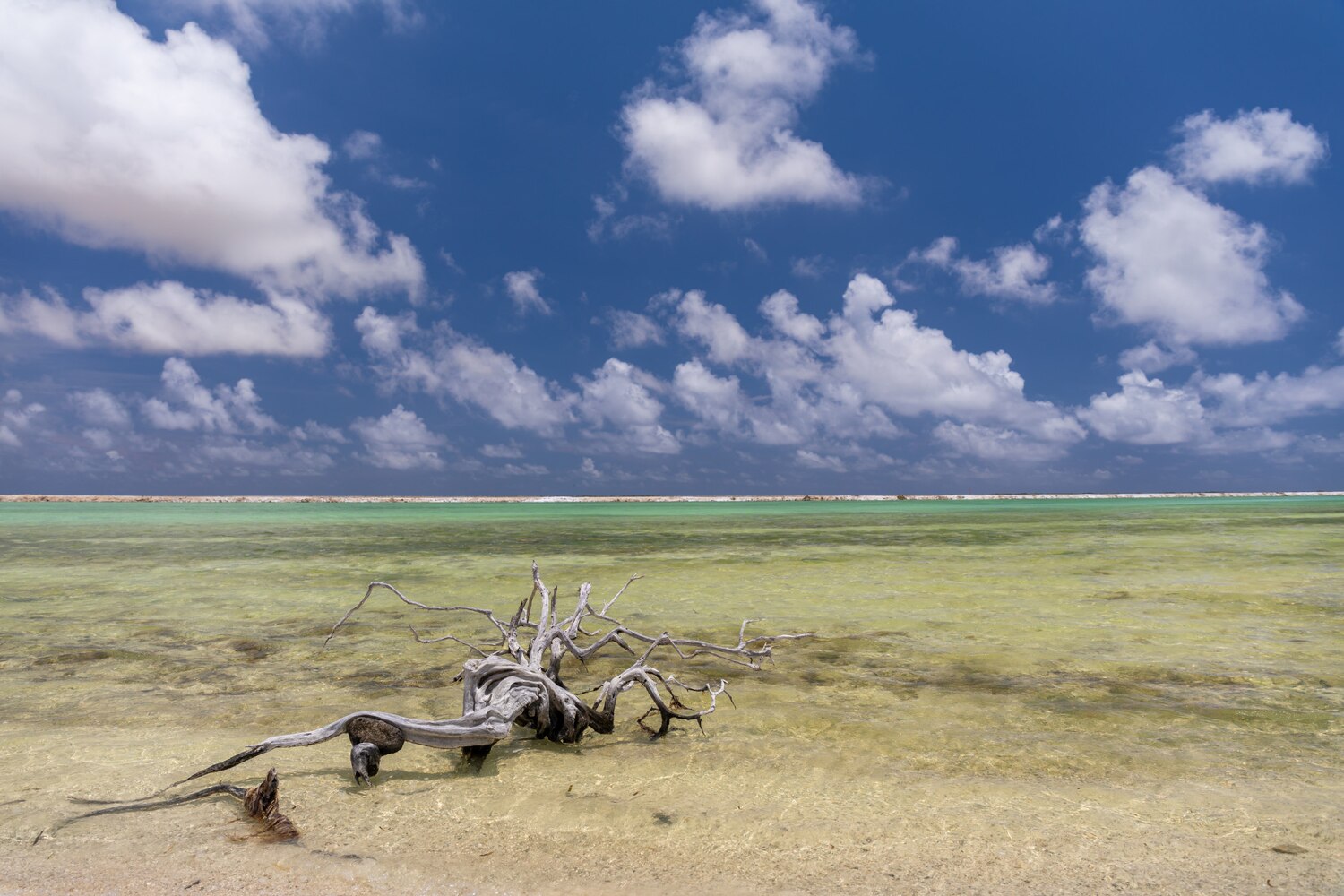
- Fishing Lighthouse Point Park at Ponce InletLearn about fishing at Lighthouse Point Park in Ponce Inlet, Florida. Information about jetty fishing, inlet access, and what to expect at this location.
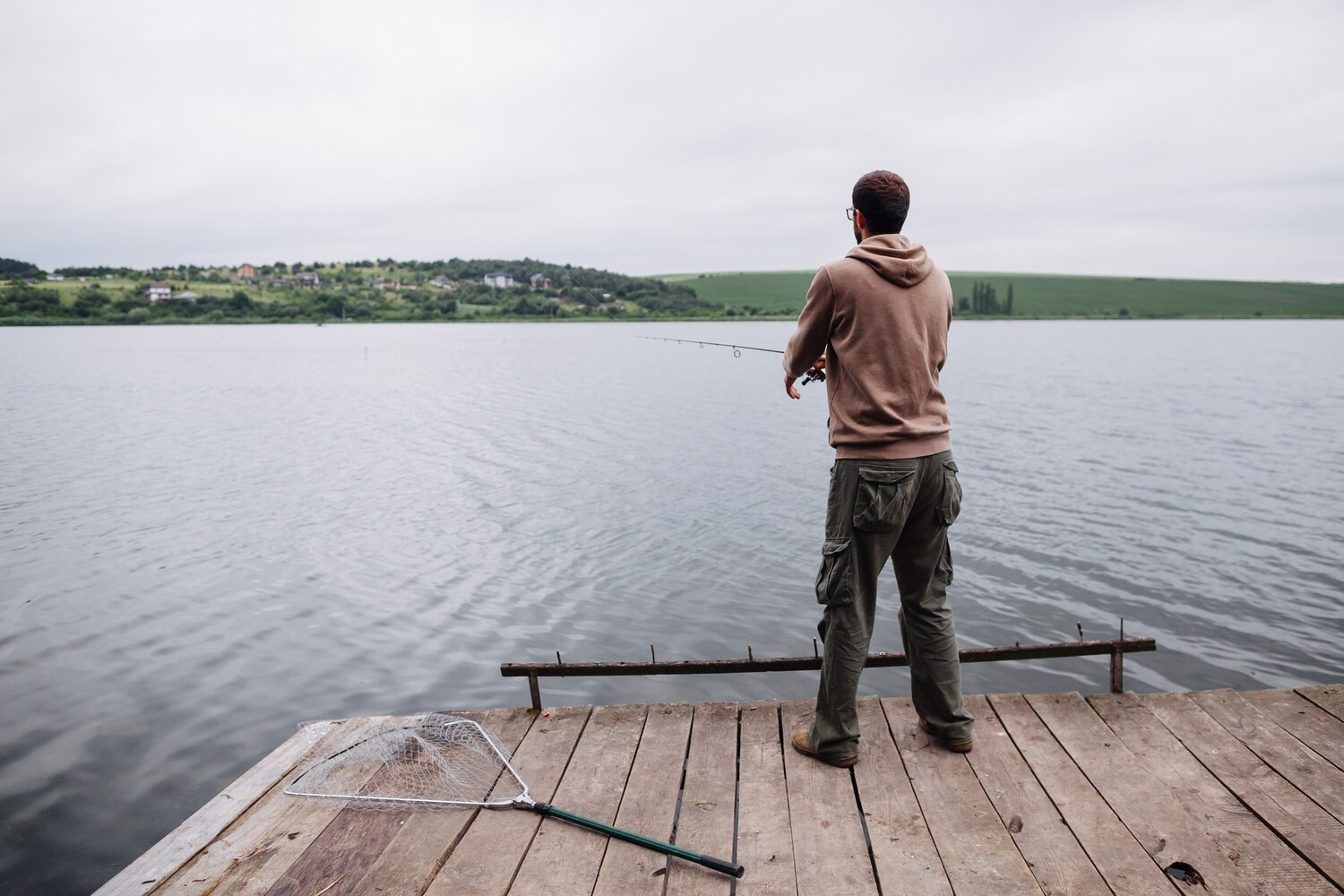
- North Turn Beach at Ponce Inlet — Shallow Flats and Redfish in the Inlet's Quieter CornerLearn about North Turn Beach at Ponce Inlet — shallow sandy flats ideal for redfish and permit fishing in calmer waters.
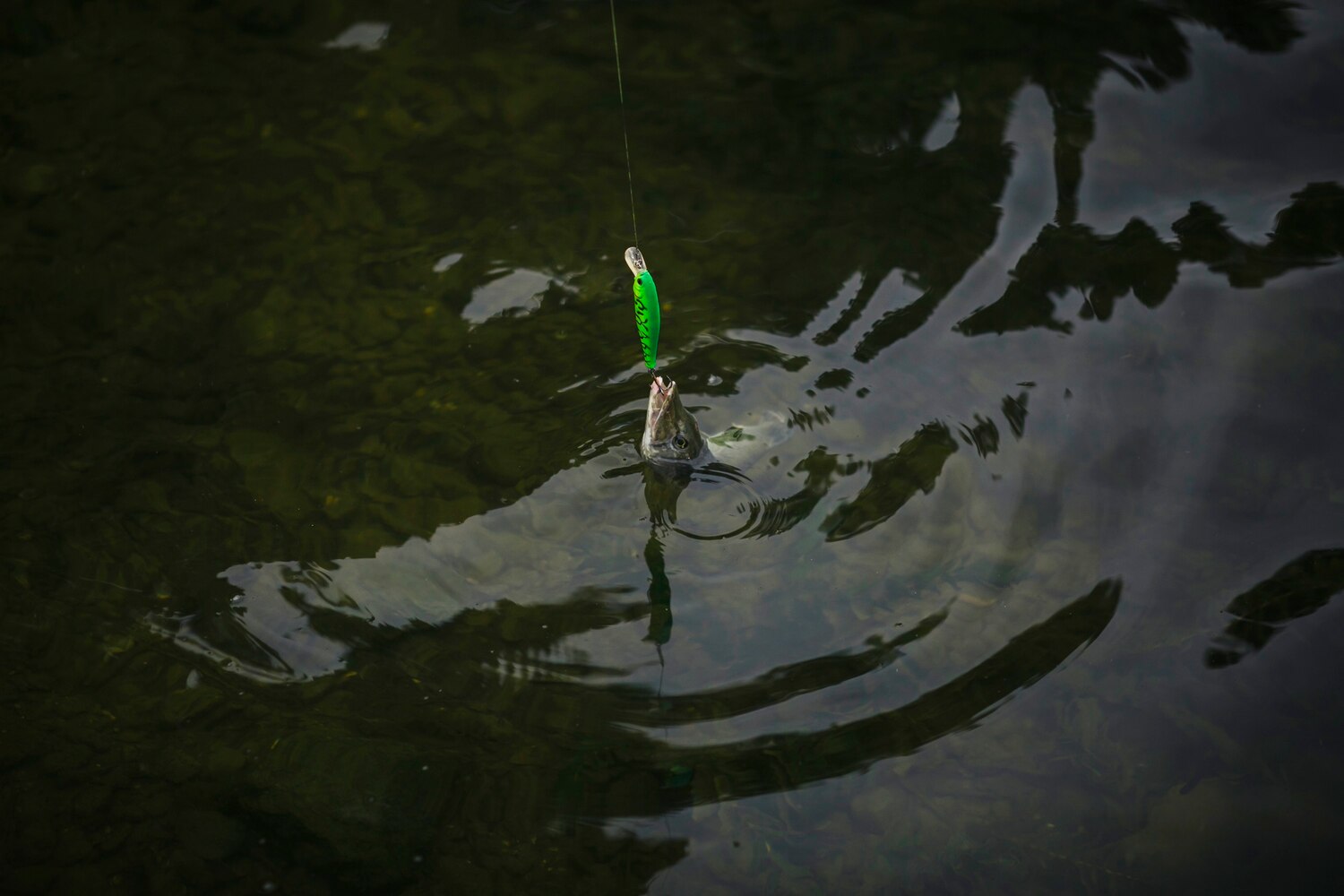
- Fishing the Ponce Inlet Jetty: Structure, Species, and TimingLearn about fishing the Ponce Inlet Jetty near Daytona Beach. Explore the structure, species, and best timing for your next fishing trip.
- Fishing Winterhaven Park in Ponce InletLearn about fishing at Winterhaven Park in Ponce Inlet. Information about shallow flats, mangrove shorelines, and species like redfish, snook, and tarpon.