Ketchikan
Ketchikan sits at the edge of Southeast Alaska's Inside Passage, where saltwater channels cut through temperate rainforest and mountains rise straight from the ocean. The town is built for anglers—halibut and lingcod hold in the deep waters offshore, while salmon return to local streams and rivers in predictable seasonal runs. Whether you're fishing from a charter boat in Clarence Strait or wading a creek minutes from downtown, Ketchikan offers access to both saltwater and freshwater fishing without the remoteness of other Alaska destinations.
These articles cover the practical details that matter: which species run when, where different fish hold in local waters, how to reach productive streams, and what gear and techniques work best for Ketchikan's conditions. You'll learn about tidal patterns that affect your fishing window, the difference between fishing the protected inside waters and the open ocean, and how to plan a trip that matches the season to the species you want to pursue.
- Fishing Clover Pass: What to Expect in Ketchikan's Tidal Channel
- Herring Cove: A Protected Estuary for Salmon and Halibut Near Ketchikan
- Ketchikan Creek: Salmon and Cutthroat in Southeast Alaska's Most Accessible Stream
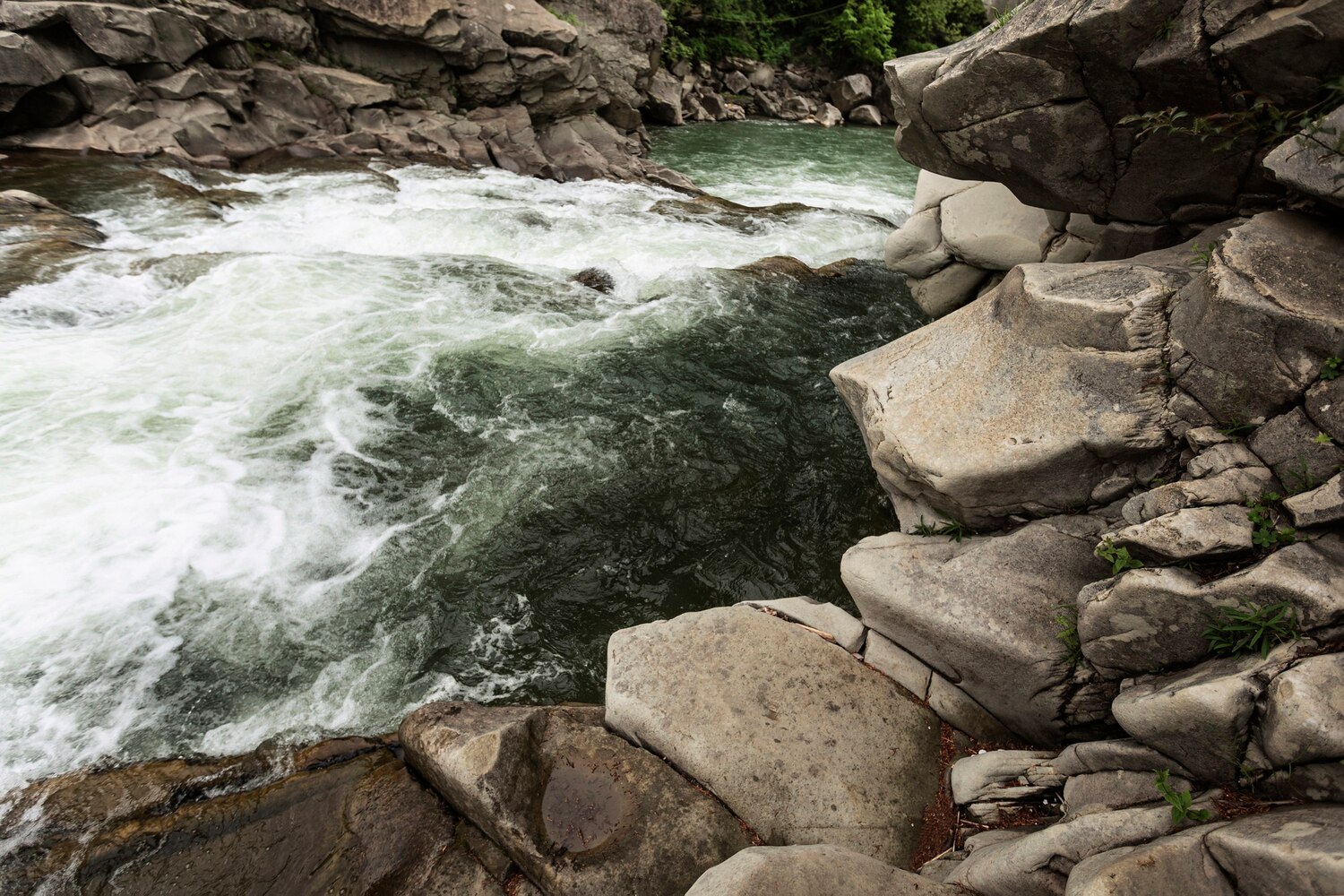
- Knudson Cove Near Ketchikan — Saltwater Fishing for Halibut and Rockfish
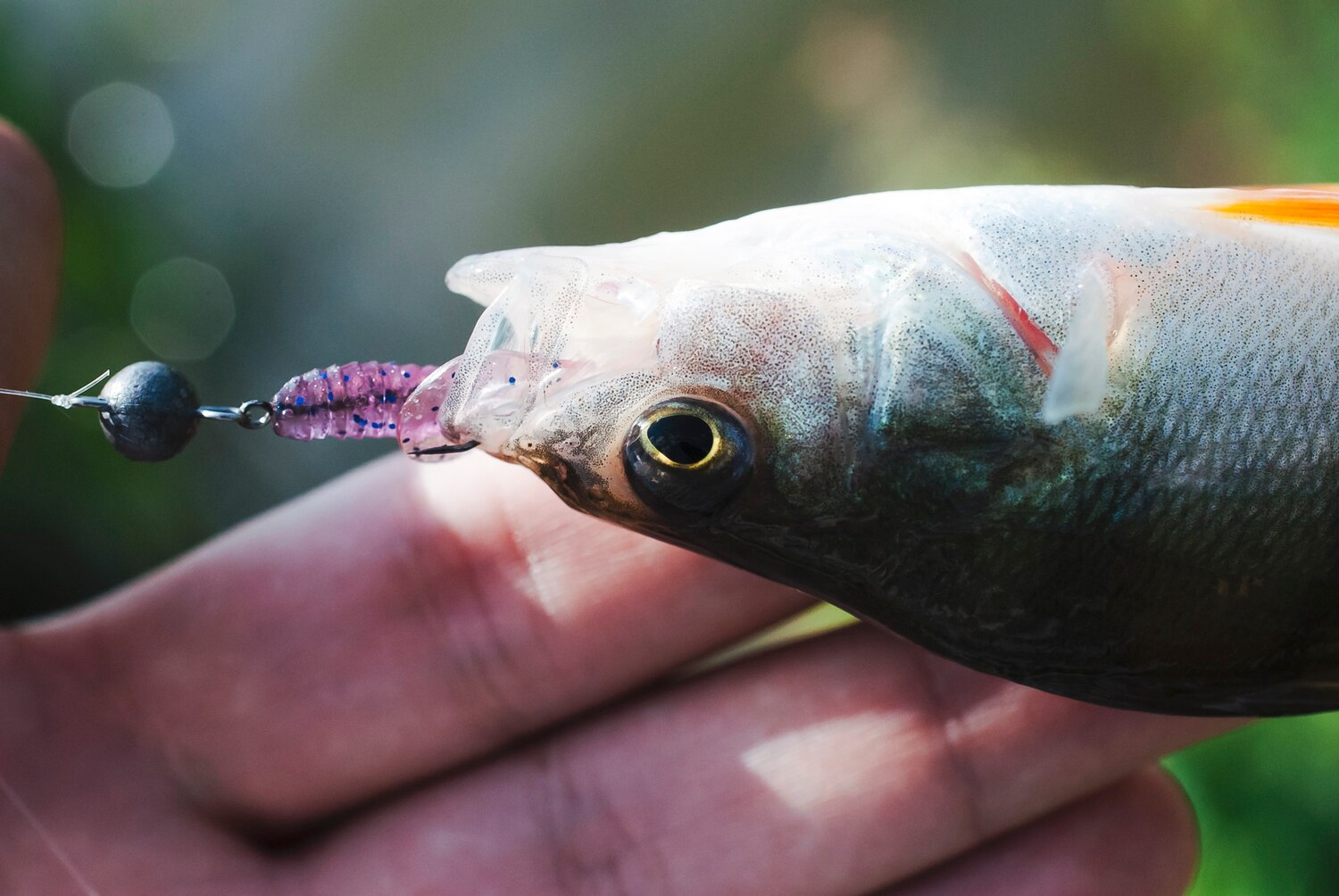
- Fishing Mountain Point Near Ketchikan: What to Expect and How to Get There
- Fishing Neets Bay: What to Expect and How to Get There
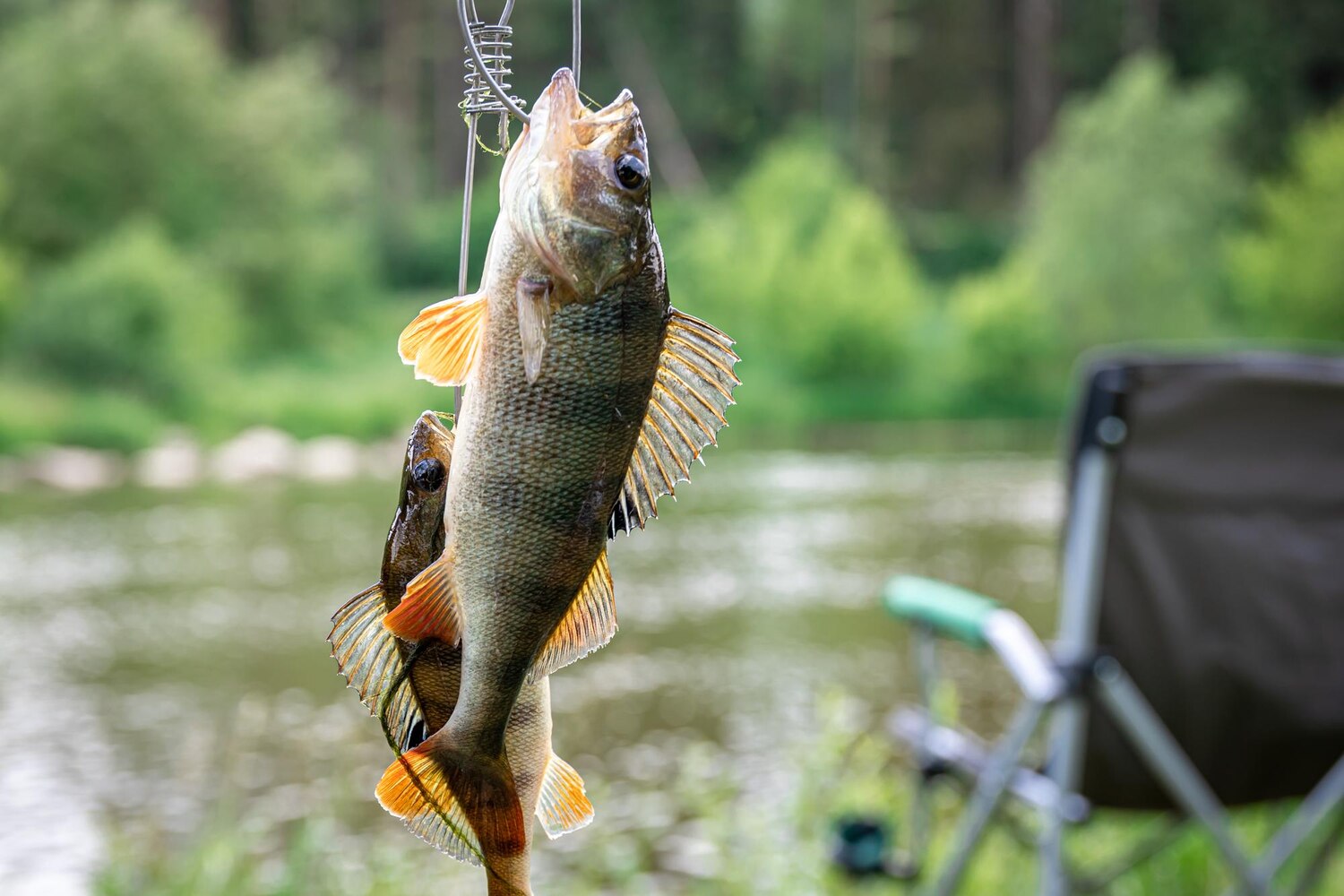
- Fishing Thomas Basin Near Ketchikan — What to Expect in Southeast Alaska's Working Harbor
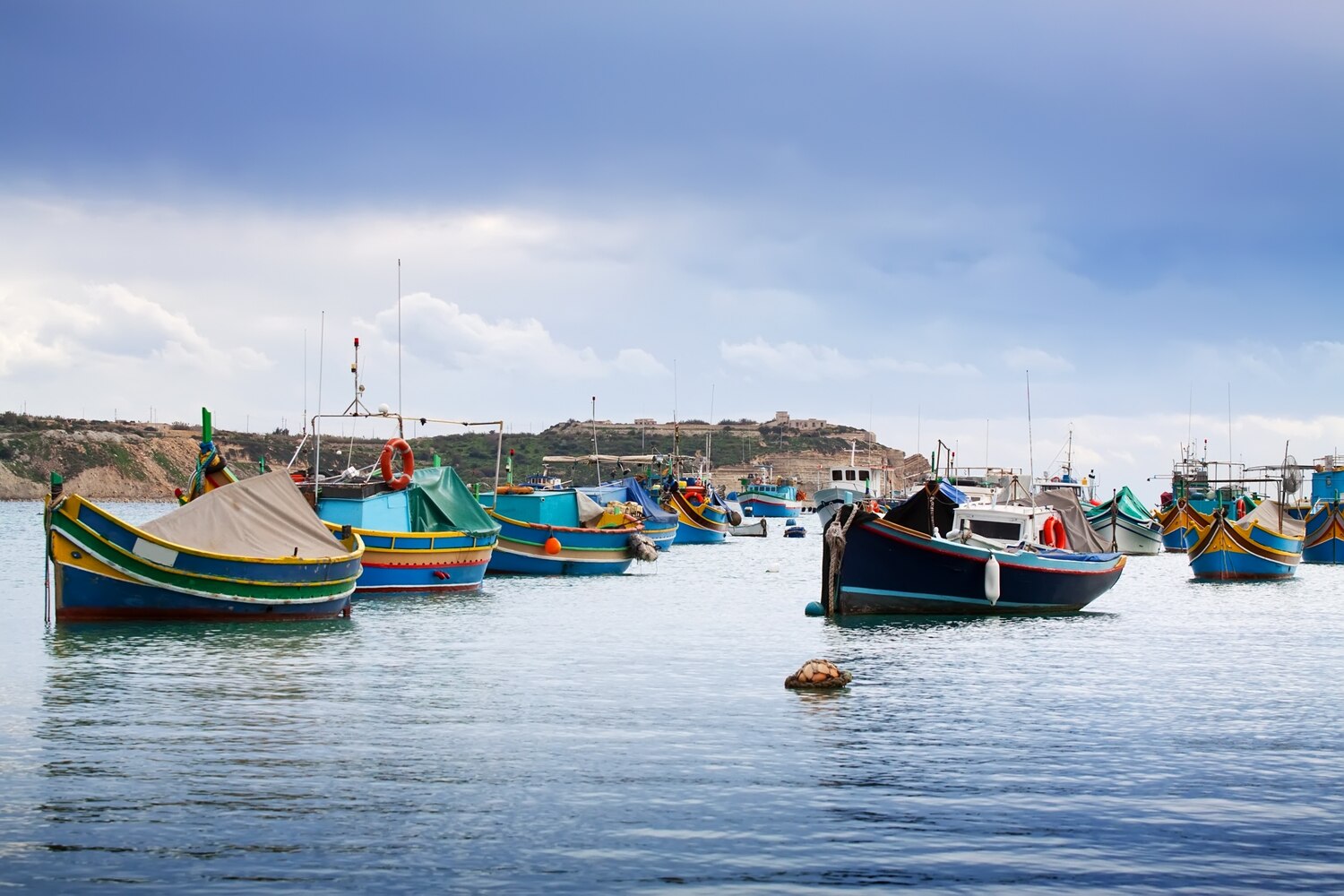
- Ward Lake Near Ketchikan — Cutthroat and Dolly Varden in a Protected Rainforest Setting