Everglades
The Everglades is a vast subtropical wetland system in southern Florida where freshwater flows slowly through sawgrass marshes, mangrove forests, and open water. Anglers come here for species found nowhere else in the continental United States—tarpon, permit, and bonefish in the shallow coastal areas, largemouth bass and peacock bass in the interior, and snook and redfish where freshwater meets salt. The ecosystem's unique geography and seasonal patterns shape how and where you fish.
These articles cover the practical details: which species inhabit different zones, how water levels and seasons affect fishing, what gear and techniques work in shallow flats versus deeper channels, where to find public access, and how to navigate the Everglades' specific challenges—from tides and weather to the logistics of reaching remote water. Whether you're planning your first trip or refining your approach to a particular area, you'll find information tailored to this distinctive fishery.
- Fishing Buttonwood Canal in the Everglades: What to Expect and Where to Start
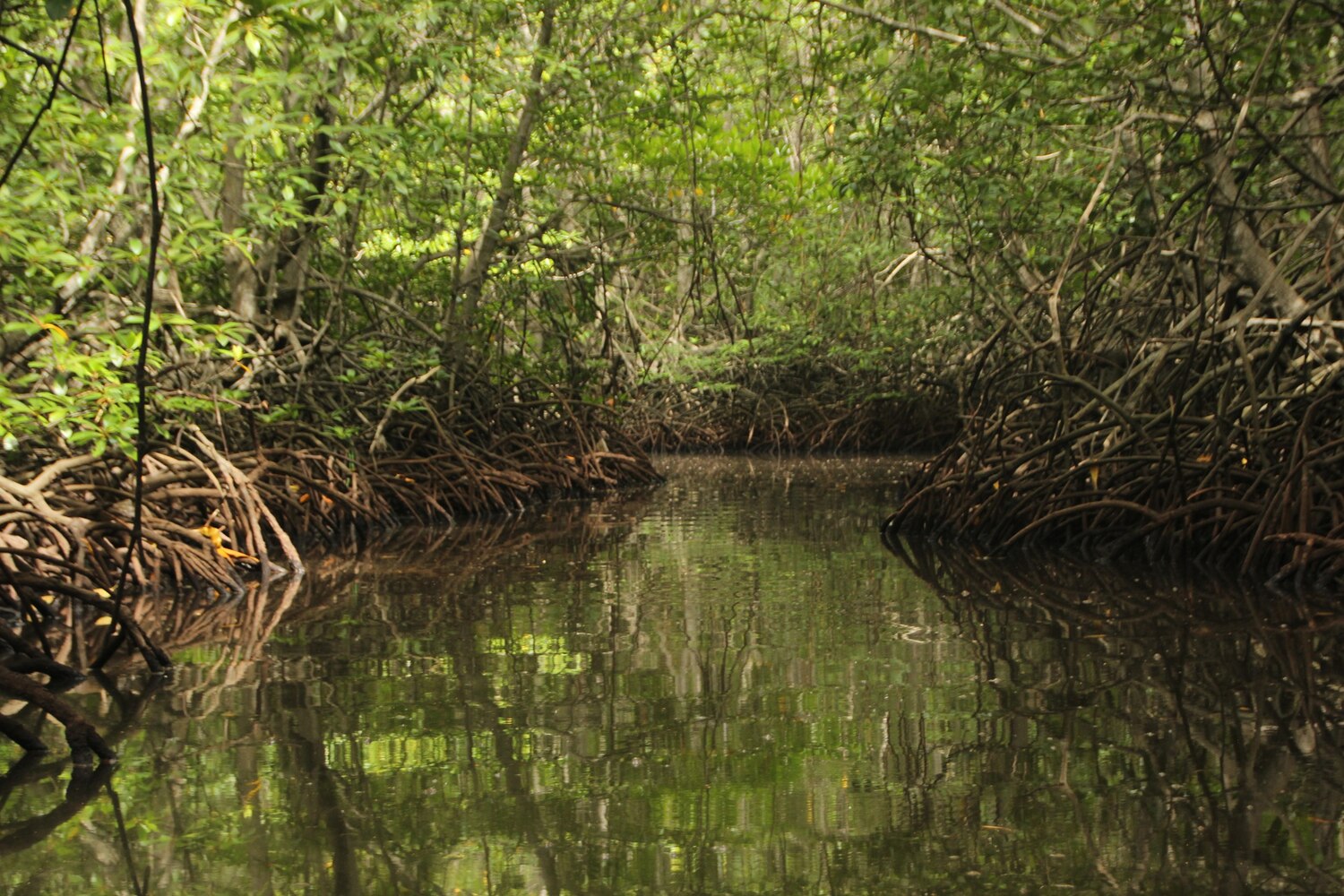
- Fishing Cape Sable: Shallow Flats and Backcountry Channels in Florida's Everglades
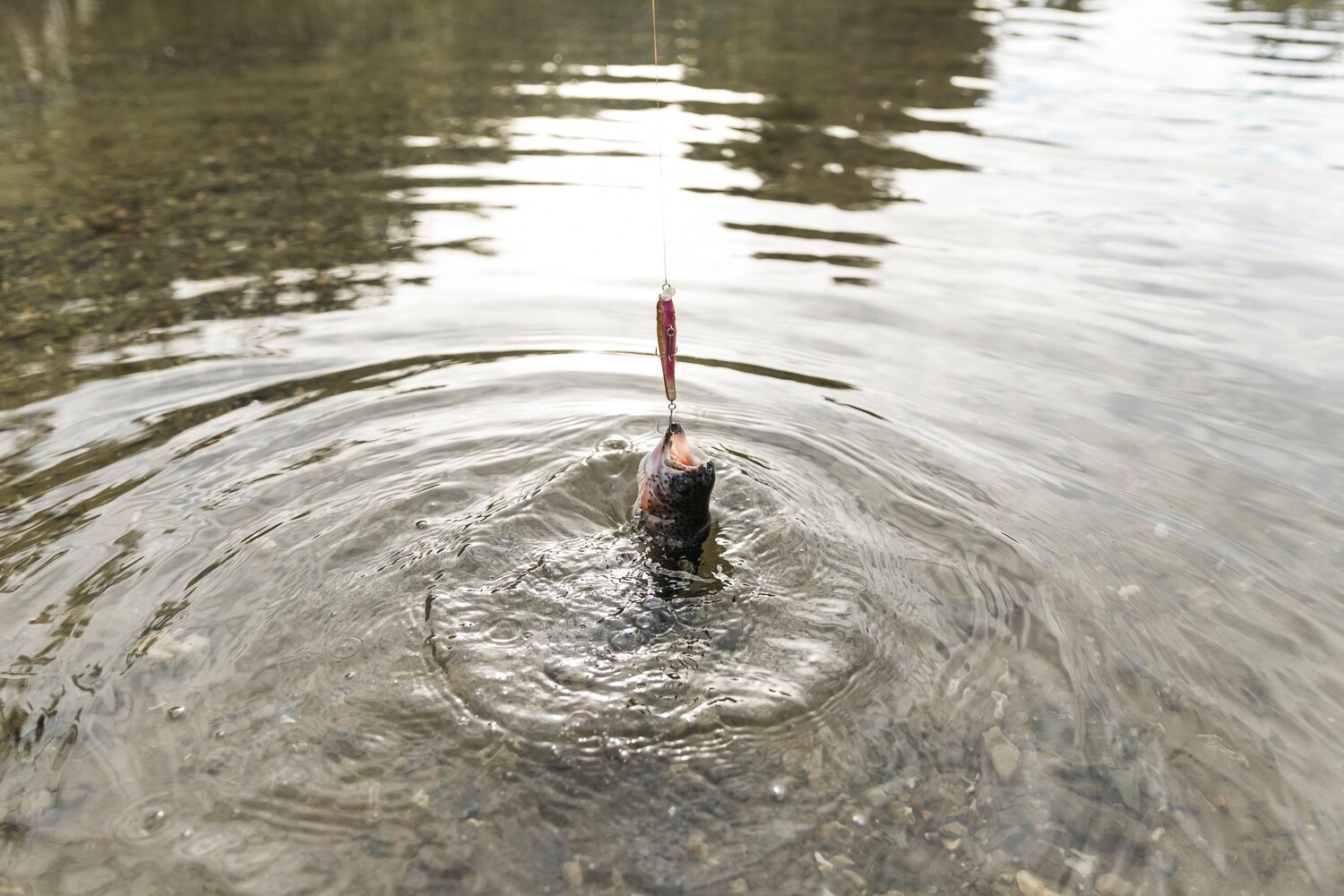
- Fishing Chokoloskee Bay and the Ten Thousand Islands
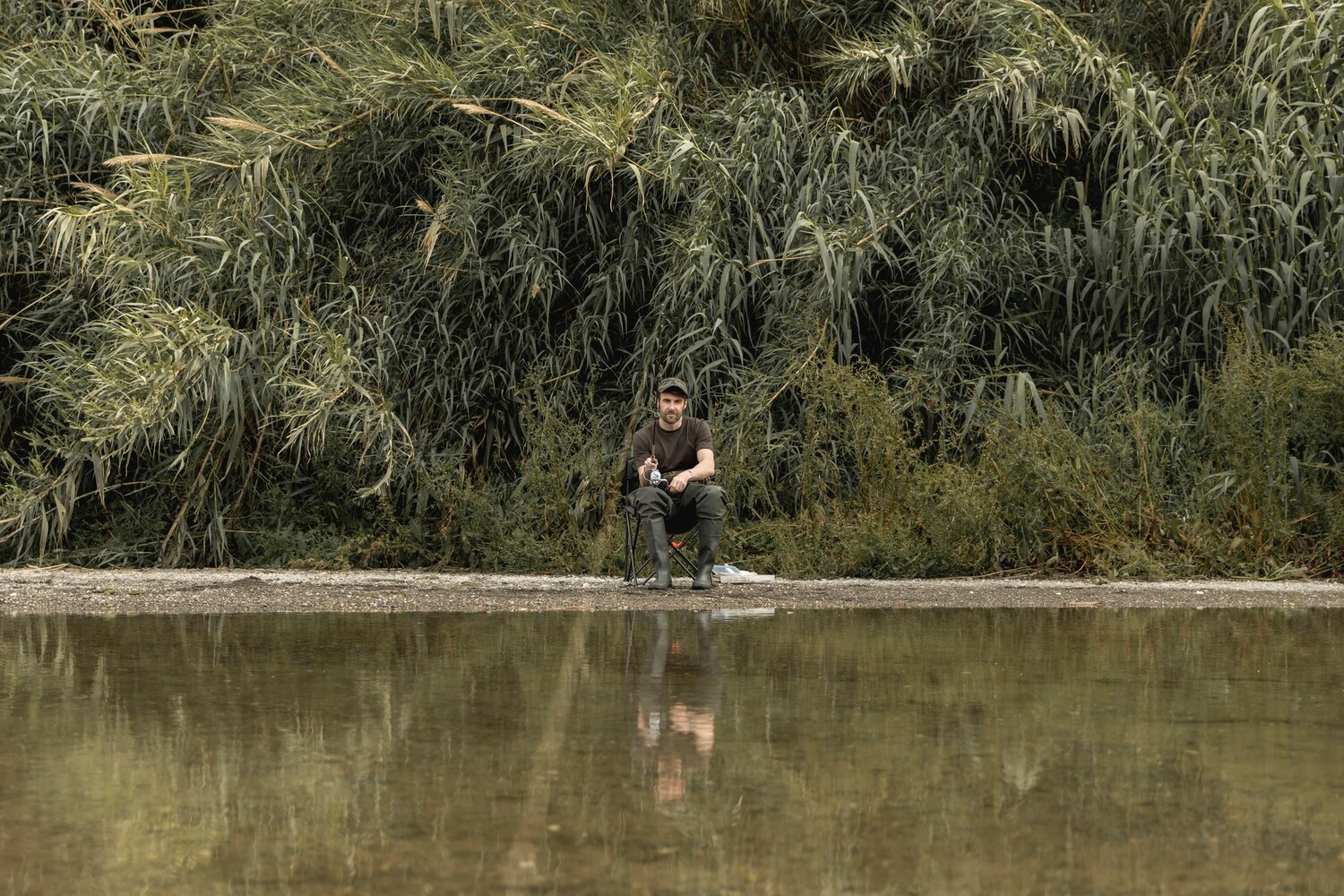
- Fishing Coot Bay in the Everglades — What to Expect and How to Get There
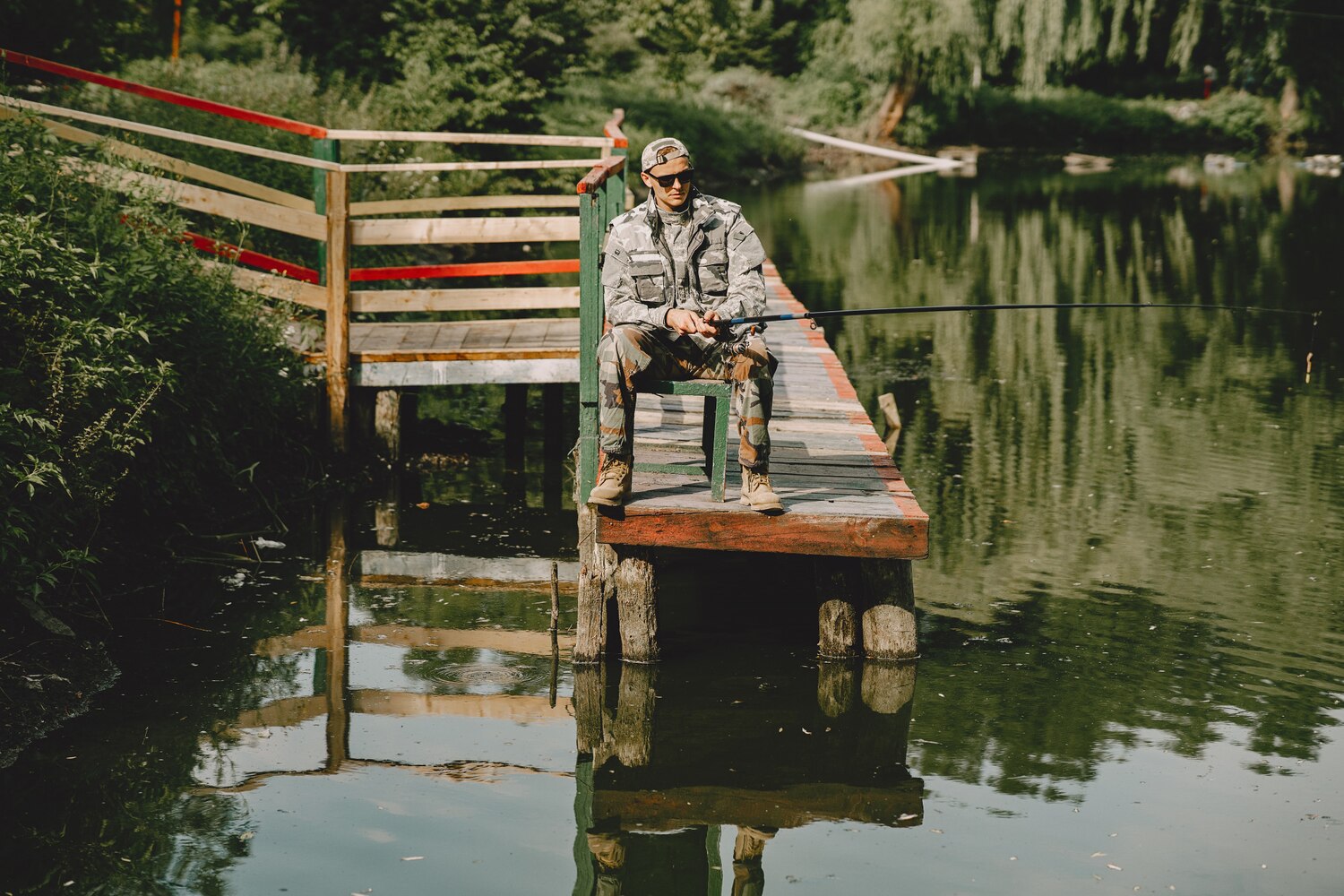
- Where to Find Flamingos in the Everglades and How to Fish Around Them
- What to See and Do at the Gulf Coast Visitor Center in the Everglades
- Fishing Lostman's River in the Everglades: What You Need to Know
- Fishing Shark River in the Everglades: Tarpon, Snook, and Saltwater Tactics
- Fishing the Ten Thousand Islands: Saltwater Flats and Mangrove Creeks in Southwest Florida
- Fishing Whitewater Bay: Shallow Flats, Mangrove Channels, and Saltwater Species